25 Years of The Chess Course – Part 1: How It All Began

25 Years of The Chess Course – Part 1: How It All Began

The story of how simple classroom notes planted the seed for a book that would go on to sell more than 1,00,000 copies

Some journeys begin with a carefully drawn-out plan. Others begin almost by accident.

The journey of The Chess Course belongs to the latter.

When I started chess training in 1995, I had no ambition to become an author. In fact, the thought of writing a chess book had never crossed my mind.

All I wanted to do was teach chess as well as I possibly could.

It Started With a Simple Thought

I have always believed in striving for perfection in whatever I do.

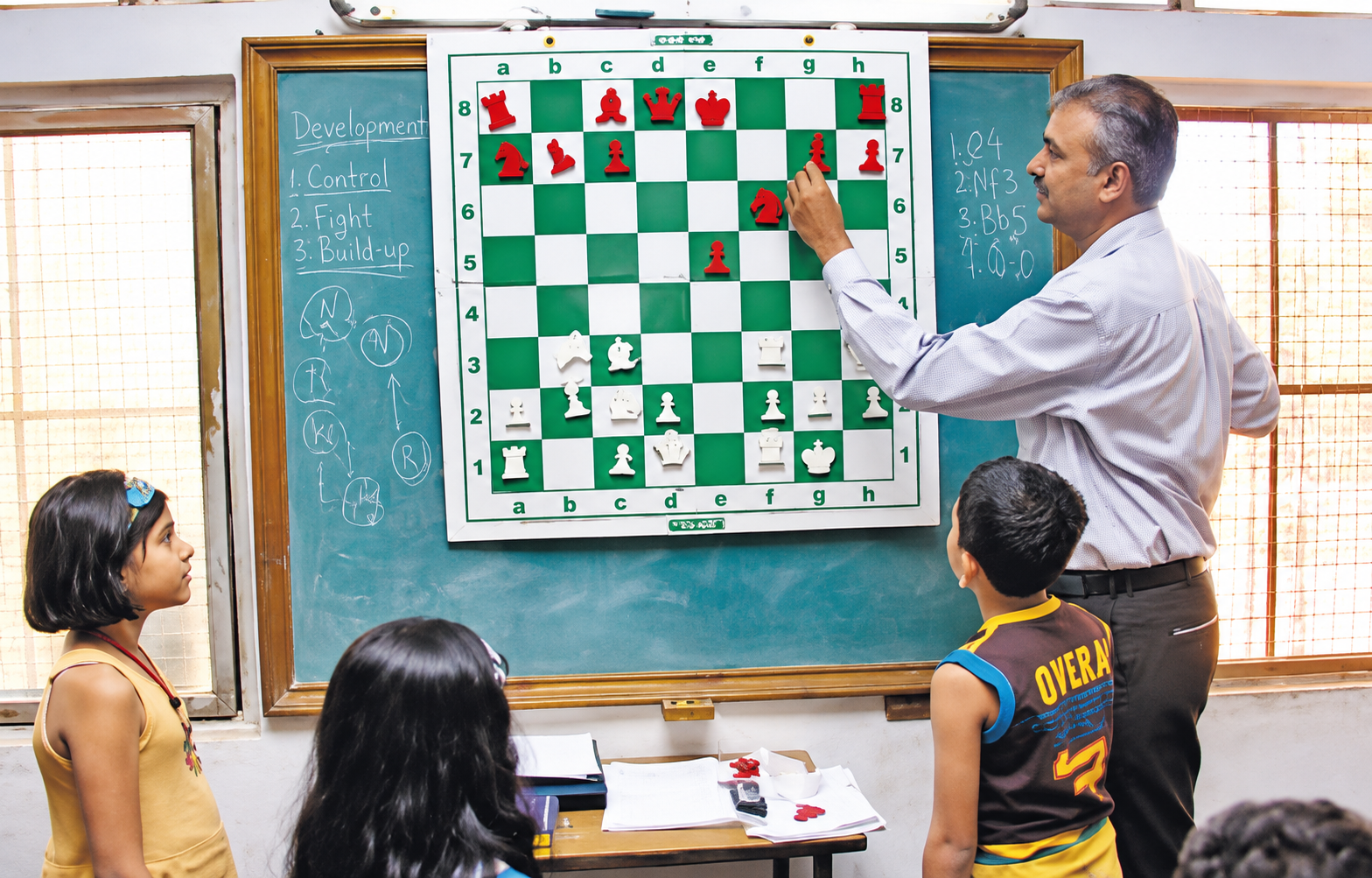
When I started training students in 1995, one thought came to my mind: if I taught a particular chapter in class, shouldn’t my students also have proper notes that they could take home, revise and refer to later?

The idea was simple.

Putting it into practice in the mid-1990s was not.

Today, a chess trainer can create a position, add annotations, export diagrams and prepare professional-looking study material within minutes. At that time, I had no idea how to produce even a single page containing chess diagrams and explanatory text.

So I began experimenting.

Fritz, a Floppy Disk and Print Screen!

Around the same period, I obtained a copy of Fritz, the chess-playing computer program, on a floppy disk.

I started using the program and gradually discovered a rather rudimentary way of creating chess diagrams.

I would set up the required position on the computer screen and use the Print Screen function to capture it. The diagram would then be saved as a bitmap image, which I could print.

That solved one part of the problem.

The next challenge was adding the lesson itself.

For the explanatory text, I began using Microsoft Word. With a combination of the chess diagrams and my written explanations, I was eventually able to prepare an A4 page containing three chess diagrams along with notes.

Looking back from today’s world of sophisticated chess software and publishing tools, the process sounds almost primitive.

But to me, that first page was special.

I had created my first chess note!

From One Page to Nearly 200

I continued preparing notes for the chapters I taught.

A typical chapter consisted of around 18 chess positions spread over six A4 pages. Once a chapter was completed, I would make photocopies according to the number of students in my class and distribute them.

The students liked the notes.

That encouraged me to continue.

One lesson became another. One chapter became another. Slowly, the collection kept growing.

By the end of 1998, I had accumulated nearly 200 pages of chess lessons.

And then the success of the notes created an unexpected problem.

Whenever a new student joined my classes, he or she naturally wanted the notes from the lessons that had already been taught. I would have to search through my growing collection, locate the relevant pages, print them and make photocopies again.

As the volume of material increased, this became increasingly difficult to manage.

Yet even then, I was thinking about how to organise my teaching material.

I was still not thinking about writing a book.

Then Came a Suggestion I Had Never Expected

At the time, I was working at the Sports Desk of the Life Insurance Corporation of India (LIC).

My friend and colleague, International Master Vishal Sareen, happened to see the chess notes I had prepared.

After going through the material, he made a suggestion that took me completely by surprise.

“Why don’t you bring this out as a book?”

I laughed.

The suggestion seemed almost absurd to me.

I was a modest chess player. I did not even have a FIDE rating at the time. I asked Vishal not to make fun of an ordinary chess player by suggesting that I should write a chess book.

His reply was something I would never forget:

“Prafulbhai, I have not seen better content than this for a chess player who wants to start his chess journey.”

For nearly four years, I had looked at those pages simply as notes for my students.

Vishal Sareen looked at the same pages…

and saw a book!

That suggestion would soon change the course of my life in chess!

To be continued…

In Part 2: What happened when I finally took Vishal’s suggestion seriously? How did hundreds of individual classroom notes begin taking the shape of a structured book? And there is an interesting story behind how the book eventually got its name — The Chess Course.

The Chess Course Reaches Readers in the UK, Europe and USA

The Chess Course Reaches Readers in the UK, Europe and USA

More than 200 copies sold in the first three months of its international publication

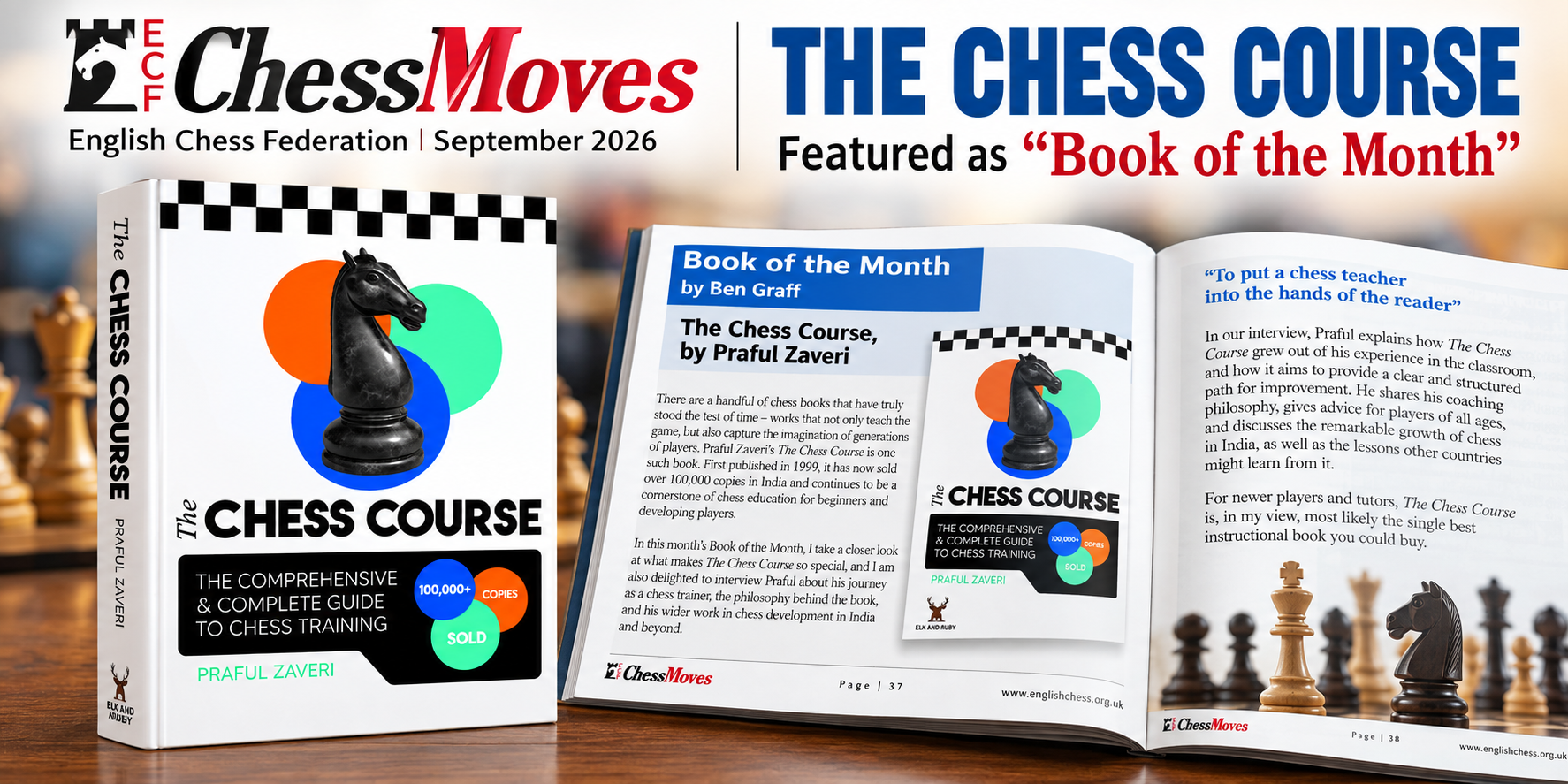
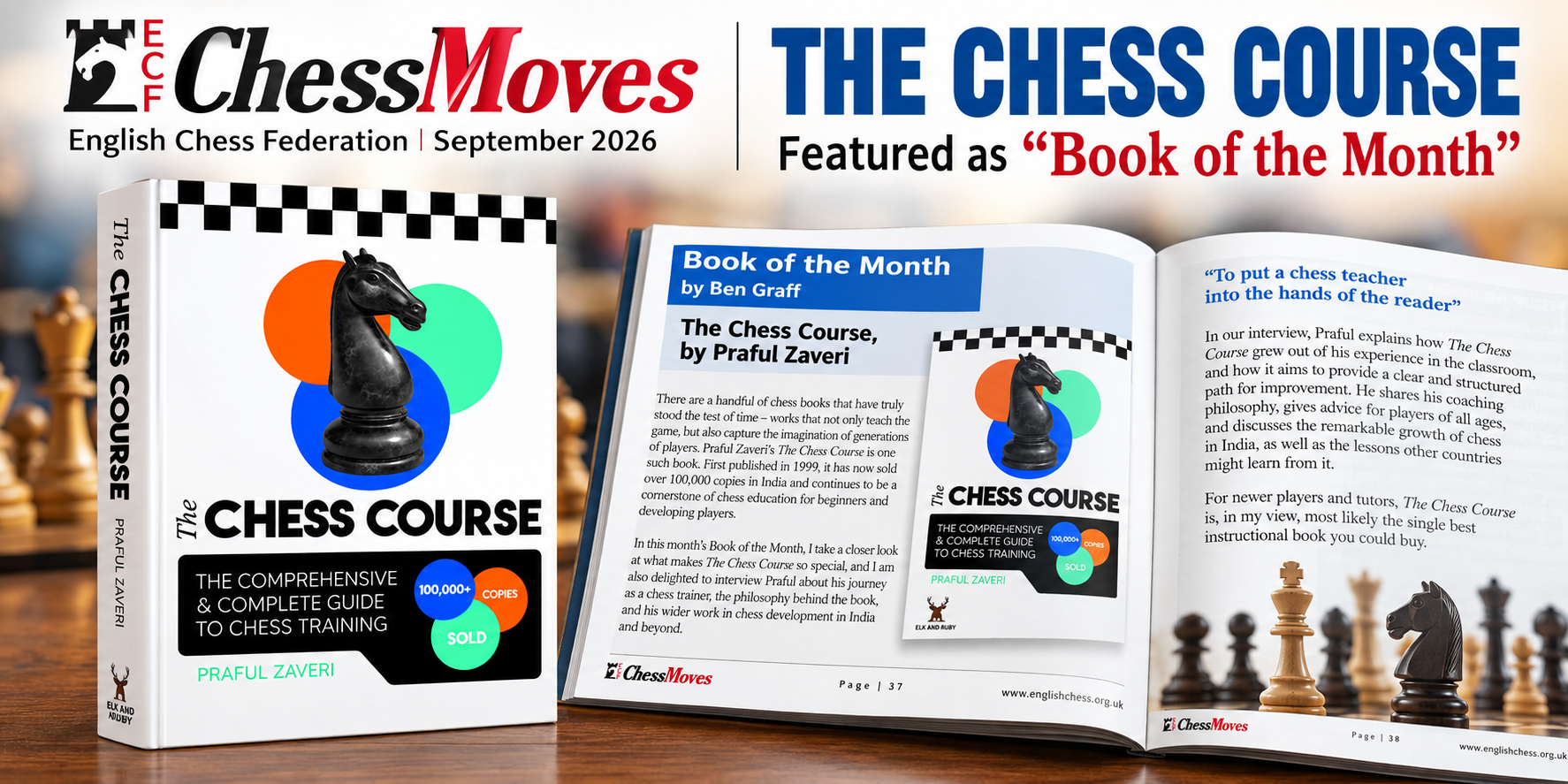
A book that began as part of my work teaching chess in India is now reaching readers across the world. Elk and Ruby Publishing House has taken up the publication of The Chess Course for the UK, Europe and USA, and more than 200 copies have sold in the first three months. I am grateful to every reader who has welcomed it.

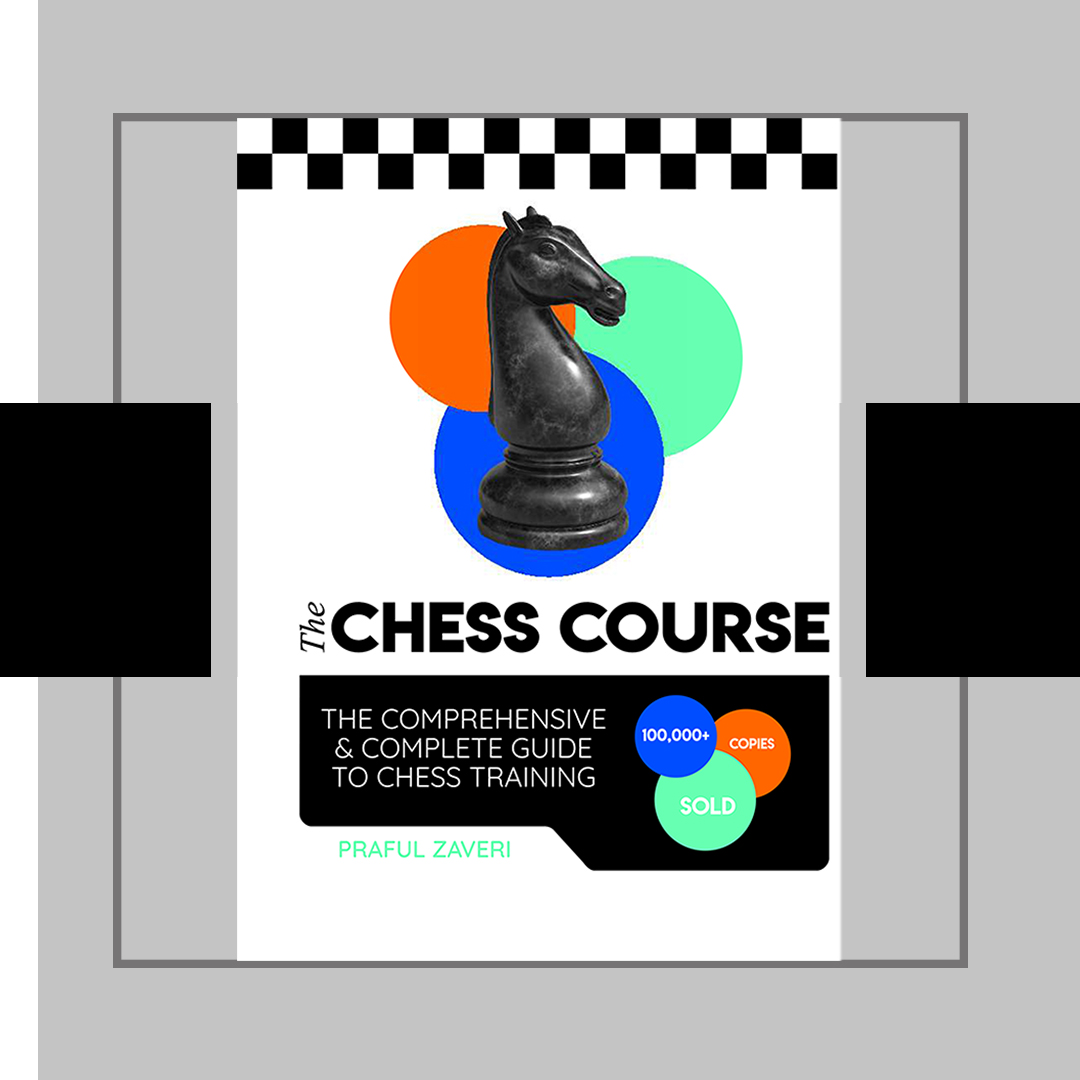
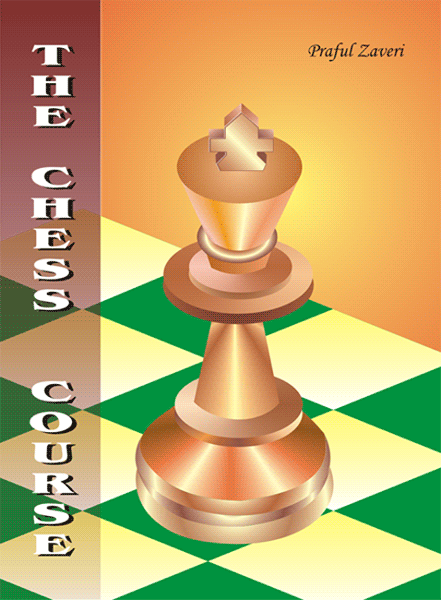
The book being published internationally is the 25th anniversary edition of The Chess Course, which I released in 2024–25. Readers in India may recognise it with a different cover. The white cover pictured above identifies the international publication by Elk and Ruby.

A course built around learning step by step

I first wrote The Chess Course in 1999. My aim was to give learners a clear path through the game: understand an idea, see how it works on the board, and then practise applying it. That approach has guided my chess teaching for more than three decades.

The 25th anniversary edition brings that teaching experience together in a 424-page training manual. It contains 75 lessons, 628 illustrative examples and 650 exercises, taking readers from the fundamentals through key areas of chess, including checkmates, openings, the middlegame and the endgame.

The exercises are central to the book. Chess improvement comes from learning to recognise a position, consider the possibilities and make a reasoned decision. Each lesson gives readers an opportunity to test what they have understood before moving forward.

Who is the book for?

The Chess Course is designed for children beginning their chess journey, players who want to strengthen their foundations, parents supporting a young learner, and trainers or schools looking for structured teaching material. It can be used for guided lessons or independent study.

A learner can start with the basics and progress through the lessons in sequence. A trainer can use the examples to explain a concept and the exercises to check whether students can apply it. My hope is that, in either setting, the book helps readers develop a thoughtful approach to playing chess.

Bringing more Indian Chess School books to international readers

I am thankful to Ilan Rubin and the team at Elk and Ruby for bringing The Chess Course to readers in the UK, Europe and USA.

We are also working towards making my other books available through Elk and Ruby: The Chess Course – a Curriculum (Volumes 1–6) and The Chess Course for Schools. I look forward to sharing more information as those publications become available.

Explore The Chess Course

The international publication is available in paperback, and the publisher also lists an Amazon Kindle option. Visit Elk and Ruby’s book page for details and buying links:

https://elkandruby.com/books/the-chess-course

To everyone who has purchased the book, taught from it or recommended it to another chess learner: thank you. I hope The Chess Course helps many more readers enjoy learning and improving at this remarkable game.

Praful Zaveri
Founder, Indian Chess School

Before You Move: Ask These Three Important Questions

Chess is not merely about finding good moves. It is about developing the habit of thinking before acting.

Many games—particularly at the beginner and intermediate levels—are lost because a player moves too quickly without understanding what has changed on the board.

Before playing your next move, pause and ask yourself these three important questions:

1. What is my opponent threatening?

Always examine your opponent’s last move carefully.

Did it attack one of your pieces?
Did it create a checkmate threat?
Did it open a line for the queen, rook or bishop?
Is your opponent preparing a tactical combination?

Understanding your opponent’s idea is the first step towards finding the correct response.

2. Are any pieces undefended?

Look at every piece on the board—both yours and your opponent’s.

An undefended or inadequately protected piece can become an easy tactical target. Before making your move, check whether any piece is attacked, overloaded or left without sufficient protection.

This simple habit can prevent many avoidable losses.

3. Do I have a check, capture or threat?

Checks, captures and threats are forcing moves. They should always be examined before considering quieter alternatives.

However, do not play a forcing move automatically. Calculate what happens next:

  • How will your opponent respond?
  • Is the move safe?
  • Does it win material or improve your position?
  • What will the position look like after the exchange?

Good chess requires both observation and calculation.

Develop the Habit of Thinking

Beginners often focus only on what they want to do. Improving players learn to consider both sides of the board.

Before every move, remember this simple routine:

Observe. Think. Calculate. Move.

At Indian Chess School, students are taught not only what to play, but also how to think. Our structured curriculum develops observation, calculation, decision-making and confidence—skills that are valuable both on and off the chessboard.

Chess improvement begins with one good habit: think before you move.

To learn chess through a structured programme, book a free trial class with Indian Chess School.

Visit: www.indianchessschool.com or call Prisha on +91-9372975330

ST. KITTS AND NEVIS SHOW PROMISE DESPITE TOUGH START AT CHESS OLYMPIAD

ST. KITTS AND NEVIS SHOW PROMISE DESPITE TOUGH START AT CHESS OLYMPIAD

Samarkand, 20 September 2026:

St. Kitts and Nevis may have lost their opening five matches at the 46th FIDE World Chess Olympiad, but the final scorelines do not fully reflect the opportunities created by this inexperienced team.

Seeded 203rd among 206 participating teams, St. Kitts and Nevis entered the Olympiad with only one rated player and practically no tournament experience. The results were therefore not unexpected. However, the team repeatedly reached promising positions, only to miss winning or drawing chances at critical moments. These missed opportunities proved costly, but they also demonstrated the players’ potential.

The team has collected 2½ individual board points from the opening five rounds. Carl Adams has produced an excellent performance on the top board, displaying confidence and resilience against considerably more experienced opponents. His victory over Christian Guanzon of Bermuda in Round 3 was an important highlight.

TEST YOUR CHESS — POSITION 1

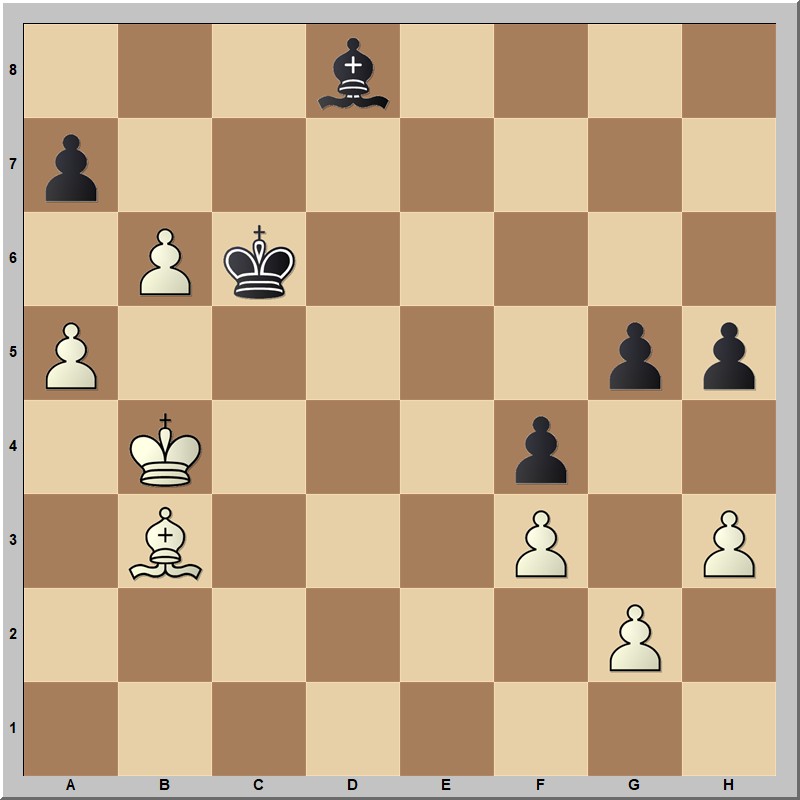
Carl Adams vs Christian Guanzon
Round 3 | White to play and win

Black has just played 51…Kxc6. Can you find the winning move played by Carl Adams?

Kaeden Fyfield-Jones has also impressed on Board 3. His determined victory over Junior Lui of the Solomon Islands in Round 5 earned the team a valuable point and underlined his growing confidence at the international level.

TEST YOUR CHESS — POSITION 2

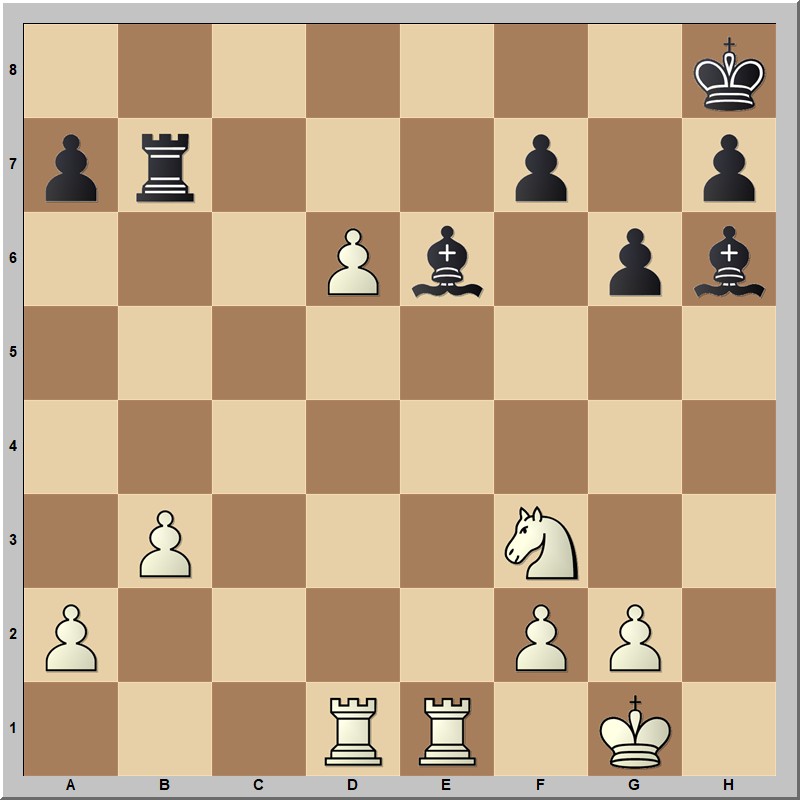
Kaeden Fyfield-Jones vs Junior Lui
Round 5 | White to play and win

Black has just committed a serious error with 23…Rb7?? Can you find the winning move played by Kaeden Fyfield-Jones?

David Jeetlall, the team’s only rated player, secured his first draw of the tournament in Round 5 after missing a winning opportunity in the previous round. Nohar Anganoo has also gained invaluable experience while facing stronger and more seasoned opposition.

One of the most encouraging aspects of the team’s performance has been the players’ patience and willingness to remain at the board for long periods. They are learning to calculate carefully, defend difficult positions and compete with greater discipline. In many ways, they are gradually being moulded to meet the demands of classical chess.

Although the first five rounds have not brought a match victory, the tournament is about much more than results alone. Every game is providing lessons that cannot be replicated in a classroom or an online training session. With better conversion of advantageous positions and improved decision-making at crucial moments, the team can look forward to stronger results in the remaining rounds.

For this developing St. Kitts and Nevis team, Samarkand represents an important step in a much longer chess journey. The foundations are being laid—and the signs of progress are already visible.

Round-by-round results:
https://s1.chess-results.com/tnr1469895.aspx?lan=1&art=3&rd=1&turdet=YES&flag=30&SNode=S0

♟️ SAMARKAND OLYMPIAD DIARY – DAY 1

♟️ SAMARKAND OLYMPIAD DIARY — DAY 1 15 September 2026 | A Dream Fulfilled

For any chess player, the journey feels complete when one gets an opportunity to be part of the FIDE World Chess Olympiad. Today, I too feel that my lifelong journey in chess has reached a deeply fulfilling milestone, as I have been honoured to serve as the Coach-cum-Captain of St. Kitts and Nevis at the 46th FIDE World Chess Olympiad in Samarkand.

After landing in Tashkent, I travelled to Samarkand by high-speed train. The atmosphere at Tashkent Railway Station was nothing short of a chess club in action! Players were enjoying blitz games, while others were playing online on Lichess and Chess.com.

I was also delighted to meet Indian Grandmaster K. Priyadharshan and FIDE Master Sohan Phadke, who have been entrusted with captaincy roles for Namibia and Dominica, respectively.

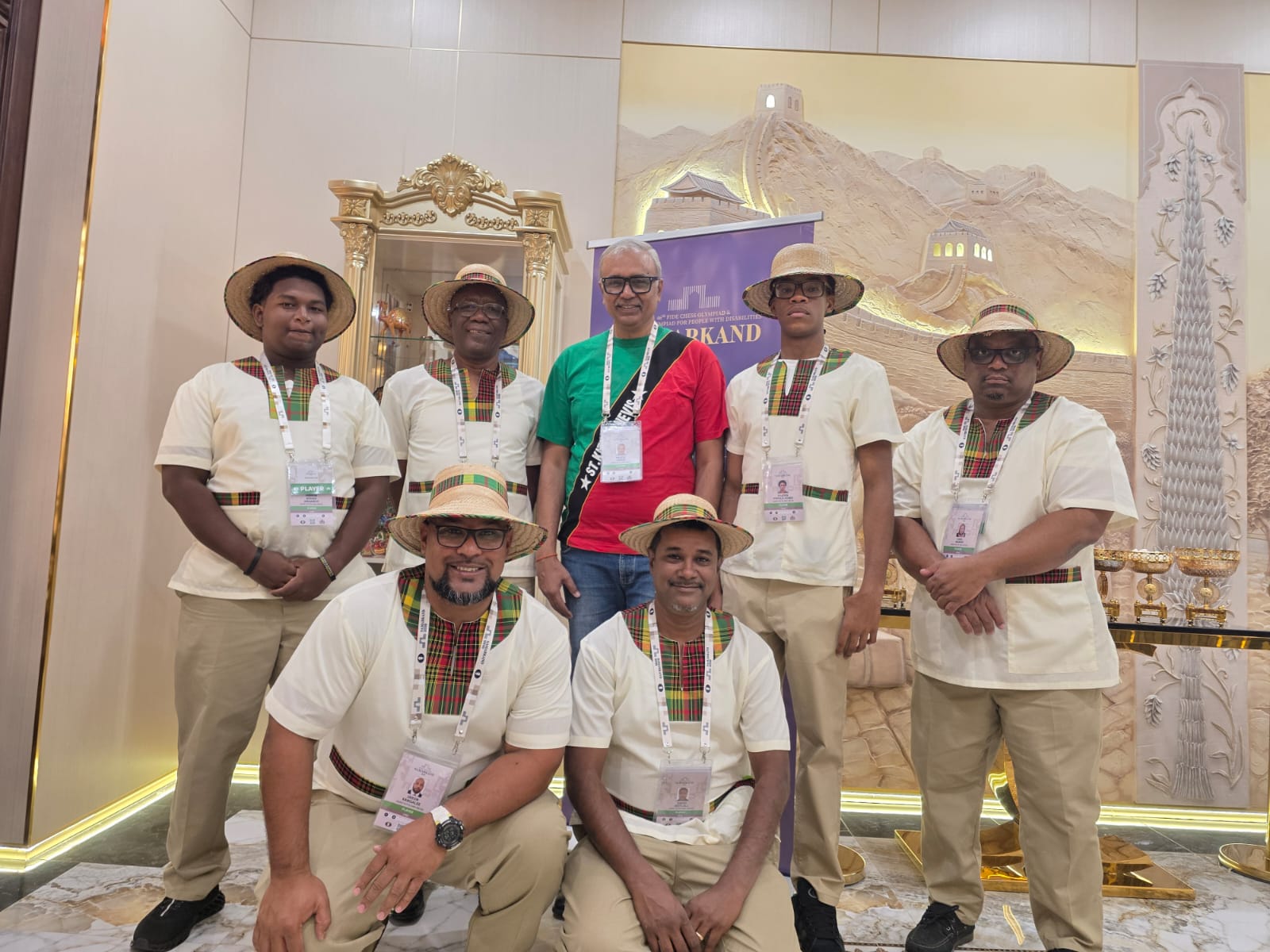
Upon reaching Samarkand, Nilufar, the volunteer assigned to our delegation, promptly arranged my transportation to the team hotel. It was a delight to finally meet the St. Kitts and Nevis team in person. Our Head of Delegation, Ms. Della Stanley, welcomed me warmly and presented me with the official team T-shirt—a moment that filled me with immense pride and gratitude.

The opening ceremony was simply brilliant, offering magnificent glimpses of Uzbekistan’s rich history, culture and chess heritage. It was an especially proud moment when our hero, five-time World Champion Viswanathan Anand, formally declared the Olympiad open.

The evening concluded with team photographs, memorable interactions and interviews with several media organisations, including ChessBase India.

We returned to our hotel with countless memories to cherish. Day 1 in Samarkand was not merely an arrival—it was the fulfilment of a cherished dream and the beginning of an unforgettable new chapter in my chess journey!!