

A WORLD CHAMPION’S LESSON IN HUMILITY! ♟️
A WORLD CHAMPION’S LESSON IN HUMILITY ♟️
Even the greatest minds can overlook a beautiful idea! What reveals their greatness is how they respond when they discover it!!
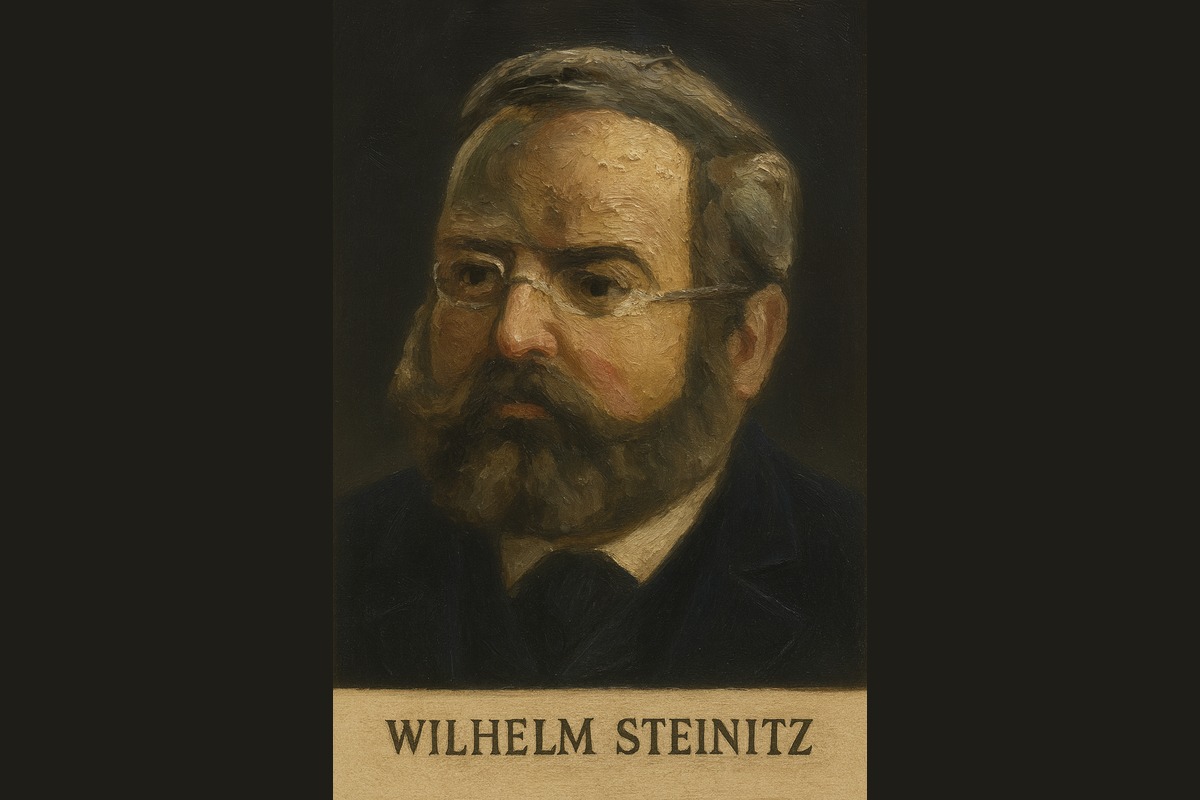
Wilhelm Steinitz, the first World Chess Champion, enjoyed solving chess problems as his “evening dessert”. But a two-move composition by Walter Pulitzer proved unexpectedly difficult.
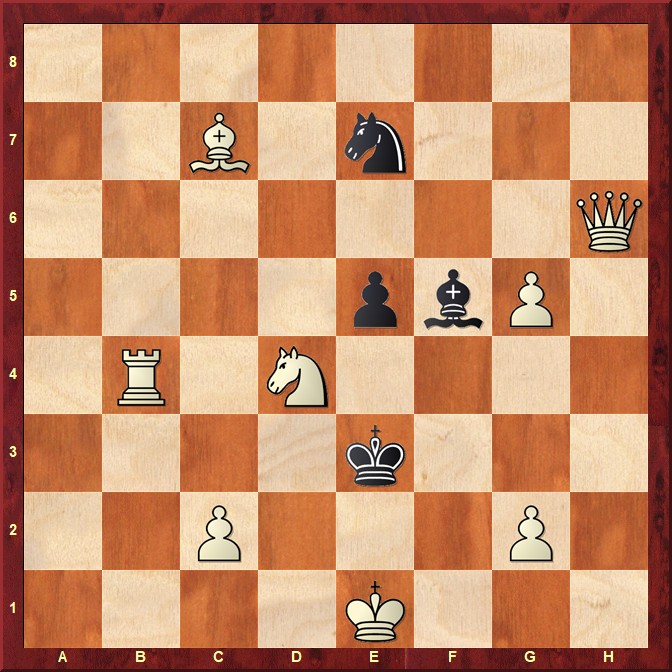
WHITE TO PLAY & MATE IN 2 (WALTER PULITZER, 1895)
After struggling for more than fifteen minutes, Steinitz began to suspect that the problem contained an error. He looked up the solution—and discovered that the error lay in his own judgment!
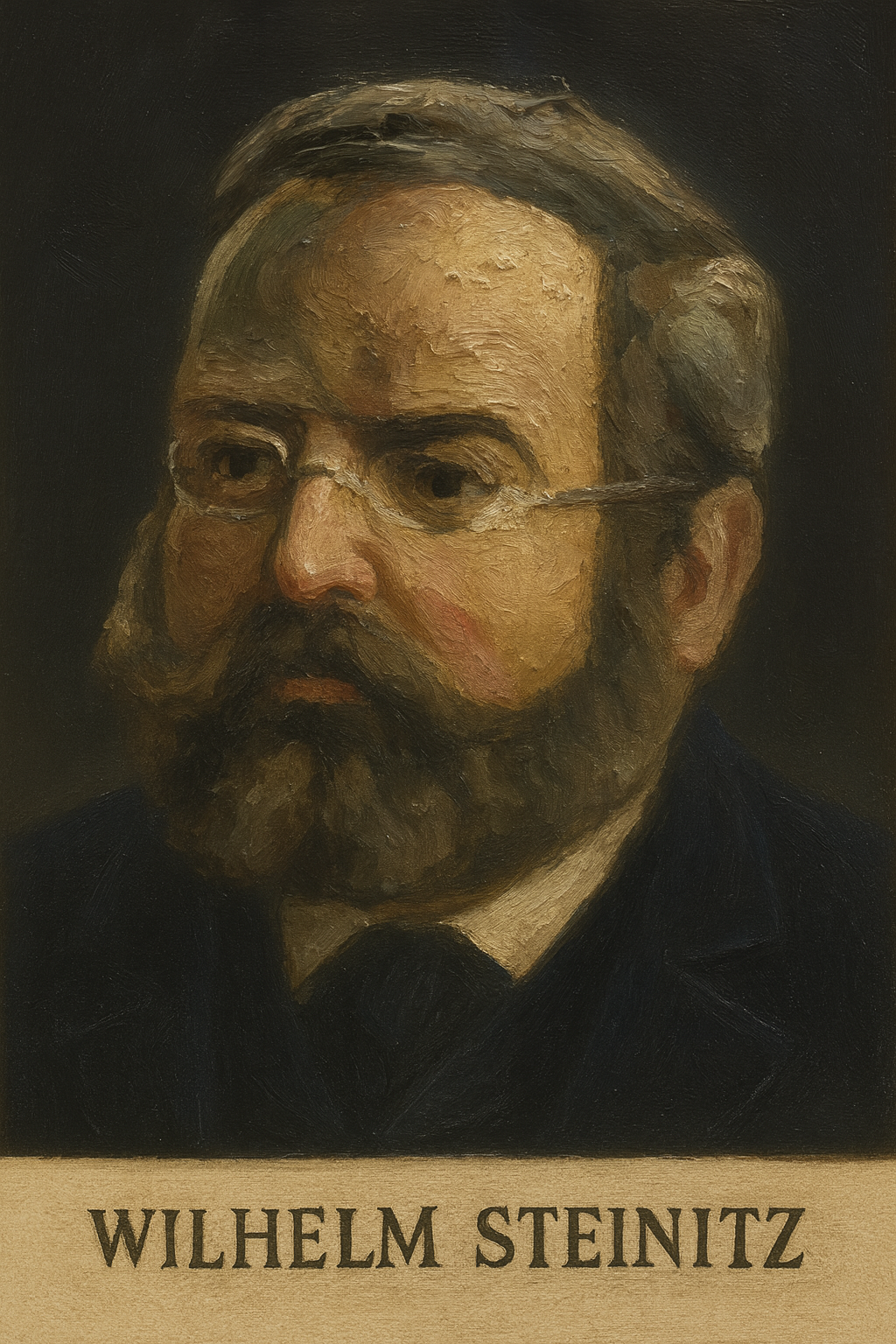
His response is a wonderful lesson in humility:
“I thought that no two-move nut could be too hard for my evening dessert. However, after puzzling in vain for over a quarter of an hour, I came to the conclusion that there must be a mistake about it, and therefore looked for the key; and sure enough, there was a mistake—namely, my own! The problem is sound, original, difficult and beautifully constructed. Altogether a gem! So far as I can remember, this is the first time (probably in thirty-five years) that I have failed to solve a two-mover problem within fifteen minutes.”
Here was a World Champion openly acknowledging his mistake and generously applauding the composer whose creation had defeated his efforts!
For our young students—and for all of us—there is something precious in that response. Expertise does not make us infallible. We continue to grow when we can admit an error, appreciate another person’s brilliance and remain willing to learn!!
Now it is your turn!
White to play and mate in two moves.
Composer: Walter Pulitzer
Published by 13 July 1895.
Give yourself fifteen minutes. Find White’s first move and check that, whatever Black replies, White can deliver checkmate on the next move.
We are keeping the key move hidden so that you can enjoy discovering this gem for yourself!
And if it leaves you puzzled, remember: you are in distinguished company!!😊♟️
Historical note: The problem and Steinitz’s commentary appeared in the Evening Star on 13 July 1895. They were later reproduced on page 60 of the April 1907 issue of ‘The Chess Player’s Scrap Book’, the short-lived journal edited by Emanuel Lasker.
